You pull a new kitchen sink out of its box, hold it over the counter, and suddenly realize you have no idea whether it will actually fit. Or maybe you ordered a compact washer online and now you’re standing in a narrow laundry closet with a tape measure, wishing someone had just told you what 26 inches actually looks like in real life.
That’s the frustrating part about measurements. Numbers alone don’t give you a mental image. This article does.
Below, you’ll find 12 familiar, everyday objects that measure around 26 inches — some exactly, some by design standard. Each one gives you a different angle on the same size, so by the end, you won’t need a ruler to feel confident about it.
How Long Is 26 Inches, Exactly?
Before we get into the objects, here’s the measurement in plain terms:
| Unit | Value |
| Inches | 26 in |
| Feet | 2 feet 2 inches (2.17 ft) |
| Centimeters | 66.04 cm |
| Meters | 0.66 m |
26 inches sits just above two feet. It’s not quite arm’s length for most adults, but it’s longer than most people expect when they first hear it. Picture the distance from your elbow to the tip of your middle finger — for an average adult, that’s roughly 18 inches. Now add the width of your palm to that. That’s closer to 26.
10 Common Things That Are 26 Inches Long
| Object | Measurement |
| Mini baby crib | Interior width |
| Standard kitchen counter | Usable depth (wall to front edge) |
| Double-basin drop-in kitchen sink | Exterior front-to-back depth |
| Standard kitchen drawer | Width (drawer box) |
| Compact front-load washer / dryer | Operating clearance (with hoses) |
| Guillotine paper cutter | Cutting base length |
| Short-handle garden spade | Total length (D-grip to blade tip) |
| Standard yoga mat | Width (unrolled) |
| Two rulers end-to-end + two fingers | Combined length (24 in + ~2 in) |
| Penny-farthing bicycle | Rear wheel diameter |
| Newborn giraffe | Front leg length |
| Two medium pizza boxes (side by side) | Combined width |
1. Mini Baby Crib
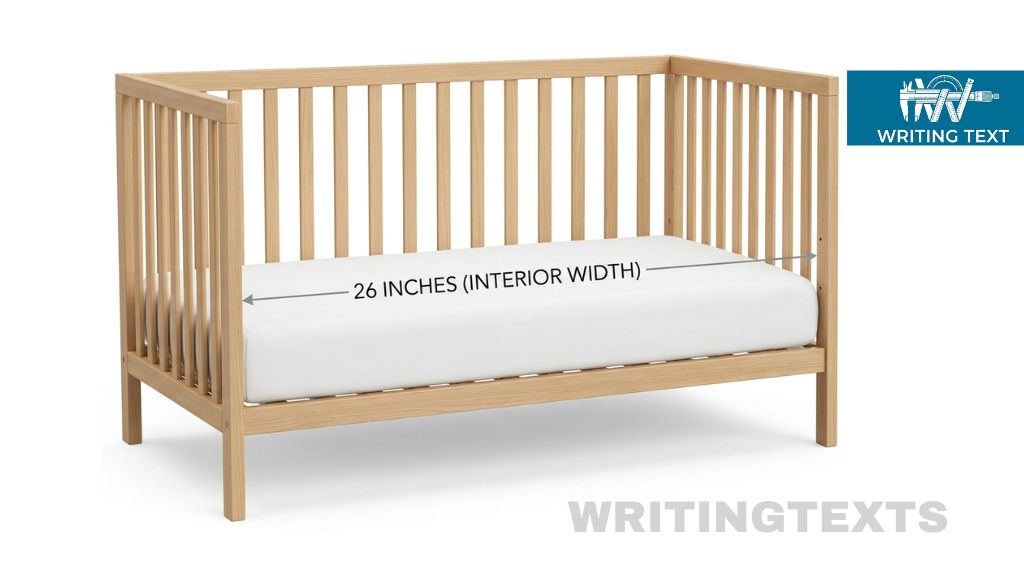
A standard mini crib, the kind marketed as “space-saving” or “portable,” has an interior sleeping width of 26 inches. That number isn’t random. It’s calculated to hold a snug-fitting mini mattress while still allowing enough airflow around the baby. Full-size cribs run about 28 inches wide internally, so the mini version sacrifices just enough to be meaningfully smaller.
Why does this matter? If you’re setting up a mini crib beside an adult bed, or trying to slide it through a narrow hallway into a bedroom, knowing that the crib itself is 26 inches wide tells you immediately whether it’ll fit. Most interior door openings in US homes are 32 inches — so a 26-inch crib just clears it with room to spare for your hands.
2. Standard Kitchen Counter Depth
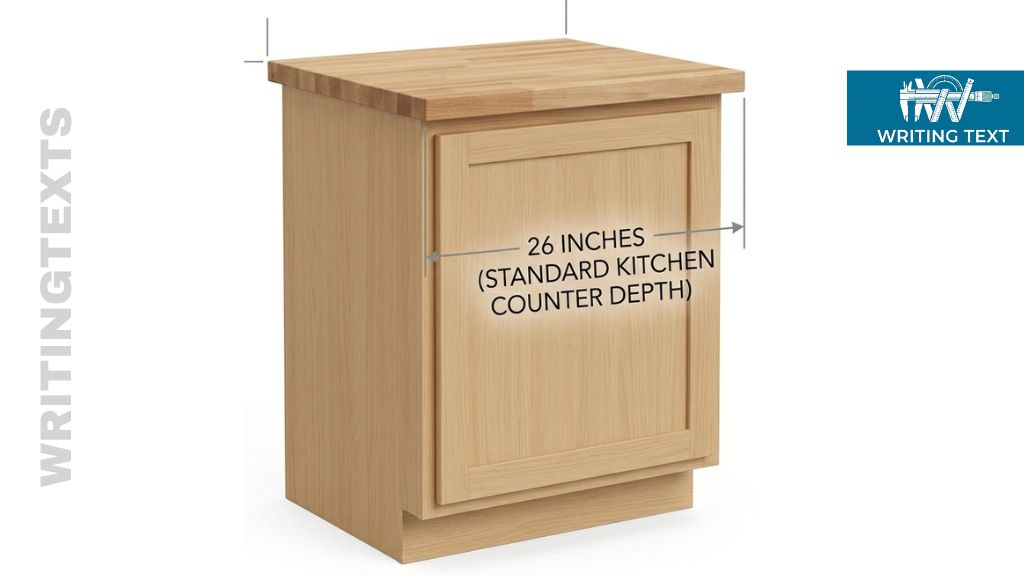
Your kitchen countertop is probably deeper than you think. Most base cabinets are 24 inches deep, but once you add the countertop overhang (about 1.5 inches at the front) and account for the backsplash lip at the rear, the usable working surface from wall to front edge is typically 26 inches.
This is why a 25-inch-wide cutting board slides right to the back without bumping the backsplash — it fits within that space naturally. If you’re buying a new range, a built-in appliance, or a butcher block insert, this 26-inch depth tells you whether the top surface will sit flush or stick out. Most appliances are designed to this same dimension for exactly that reason.
3. Standard Kitchen Sink
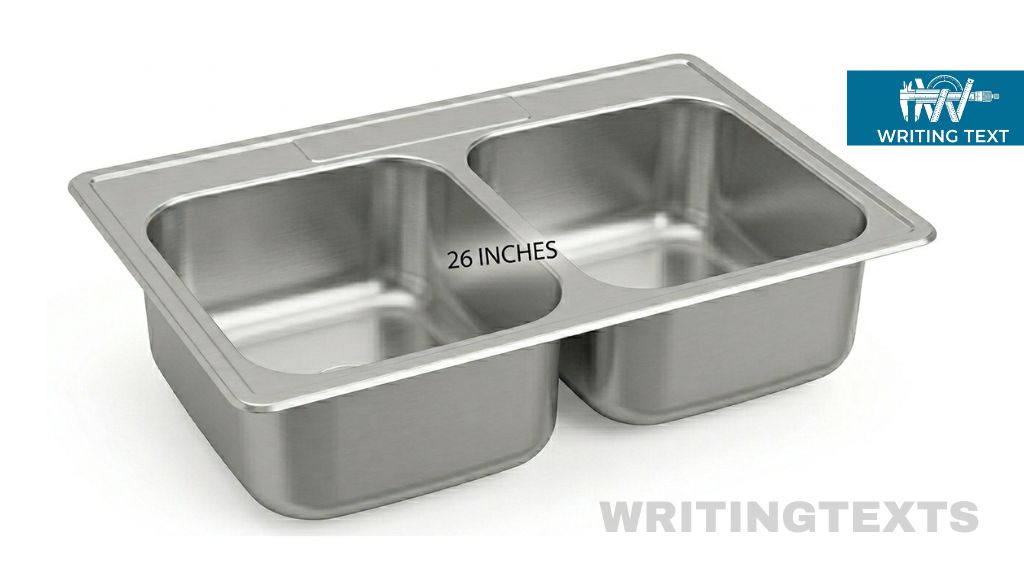
A common double-basin drop-in kitchen sink has an exterior front-to-back depth of 26 inches. The design logic here is tight: the sink must sit inside a 30-inch wide base cabinet, leaving room on either side for the cabinet walls and enough clearance behind it for faucet hardware.
When you’re replacing a sink without cutting new holes in your countertop, this 26-inch exterior depth is one of the most important numbers to match. Go wider or longer, and you’re looking at countertop work. Match it, and the swap is straightforward. It’s one of those dimensions that saves a Saturday when you know it ahead of time.
4. Standard Kitchen Drawer
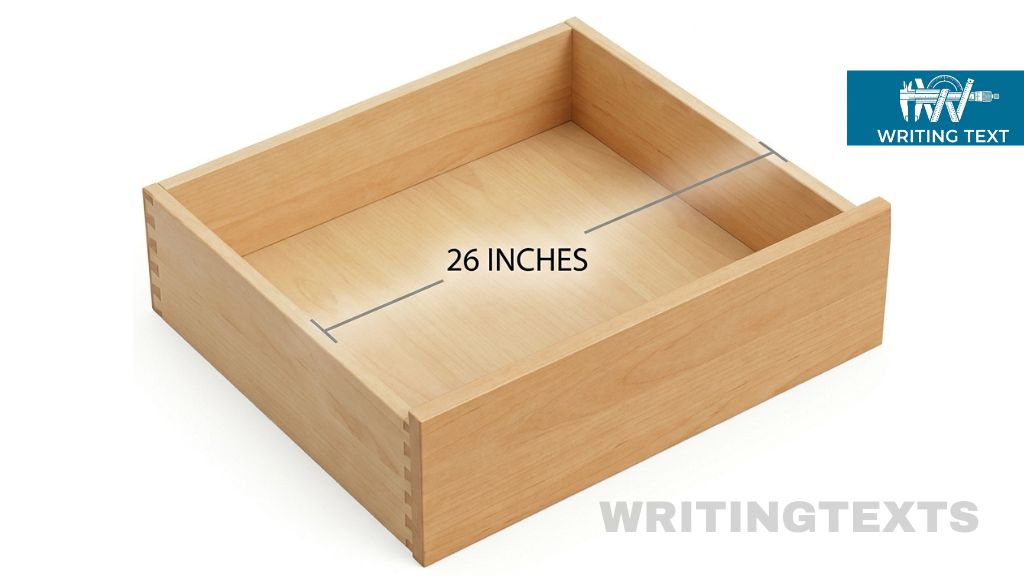
Many utensil drawers and spice-rack drawers in standard base cabinets are built to a 26-inch width. Cabinet manufacturers size drawers to match standard cabinet openings — typically 27 to 30 inches — which means the drawer box itself lands near 26 inches once you account for the slide hardware on each side.
This is critical when you’re buying a drop-in drawer organizer or replacing a broken slide. A 26-inch drawer requires a 26-inch organizer insert — not 24, not 28. The difference of even one inch means the organizer either rattles around or simply won’t fit. Measuring once with this number in mind saves a return trip to the store.
5. Compact Front-Load Washer or Dryer
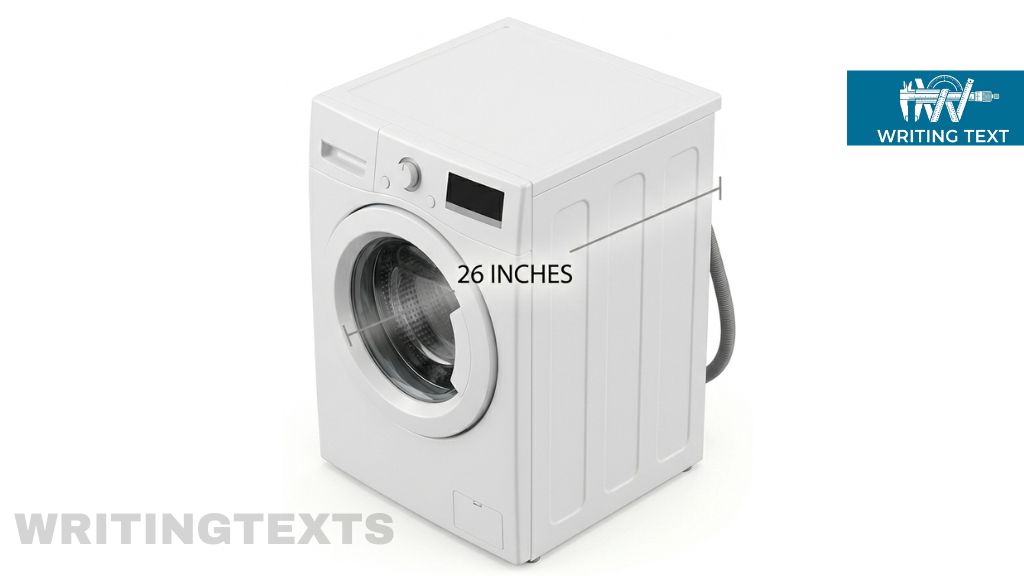
Compact front-load laundry units from brands like Bosch and Miele are typically 24 inches wide at the machine body. But the moment you account for the side panels, the door hinge swing, and the hose connections at the back, you need roughly 26 inches of total clearance to operate the machine properly.
This distinction trips people up constantly. A laundry closet that measures exactly 24 inches gives you the box, but not the function. You need that extra 2 inches to open the door fully, load clothes without straining, and allow the water lines to connect without kinking. If you’re measuring a tight laundry nook or an RV utility space, plan for 26 inches — not 24.
6. Professional Guillotine Paper Cutter
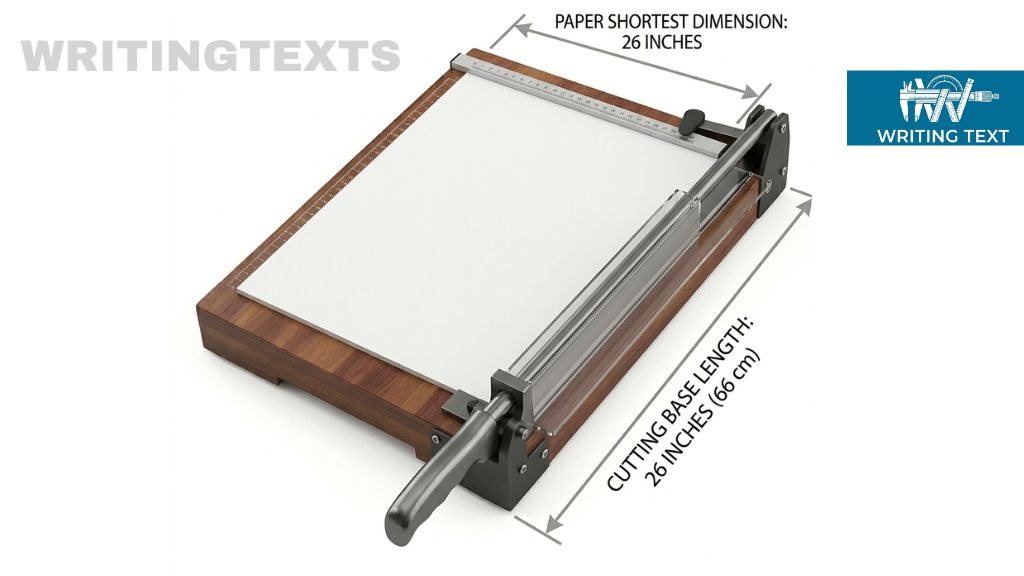
The cutting base on a standard office or print-shop guillotine paper cutter is typically 26 inches long. The reason comes down to paper. Full bond poster paper — the kind used in print shops and school art departments — is commonly 26 inches on its shorter dimension. A cutter base built to this length handles that sheet in a single pass without repositioning.
If you’ve ever watched a print shop trim a large poster, now you know why the cutter is that exact length. It’s not a coincidence — it’s a dimension engineered around the paper it cuts. For anyone ordering custom prints or posters, knowing the cutter handles 26-inch paper means you can request that size with confidence that it’ll come out clean.
7. Garden Spade
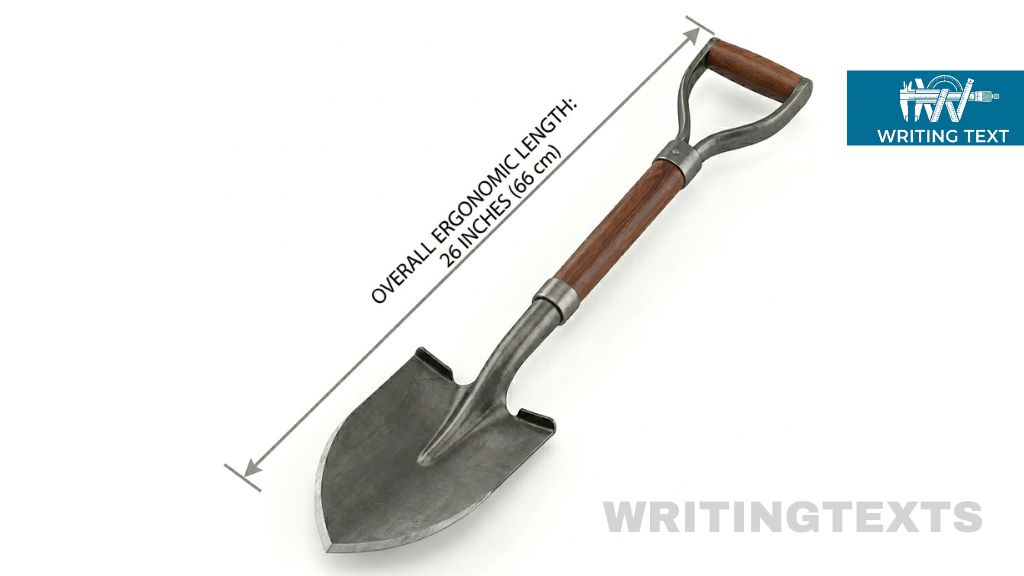
A short-handled garden spade, the type designed for kneeling work in raised beds or tight garden corners, typically measures 26 inches from the top of the D-grip to the tip of the blade. This is by ergonomic design. When you’re kneeling or squatting, a full-length handle (38 to 48 inches) becomes clumsy and gives you less control. At 26 inches, the spade is long enough to reach soil depth but short enough to leverage with your wrists and forearms rather than your shoulders.
For gardeners choosing between handle lengths, this is a practical decision, not just a preference. Short-handle spades reduce back strain on close-in work. Long handles give you reach and leverage for standing digging. If your garden is raised-bed style or your workspace is tight, a 26-inch spade is the tool built for that situation.
8. Yoga Mat
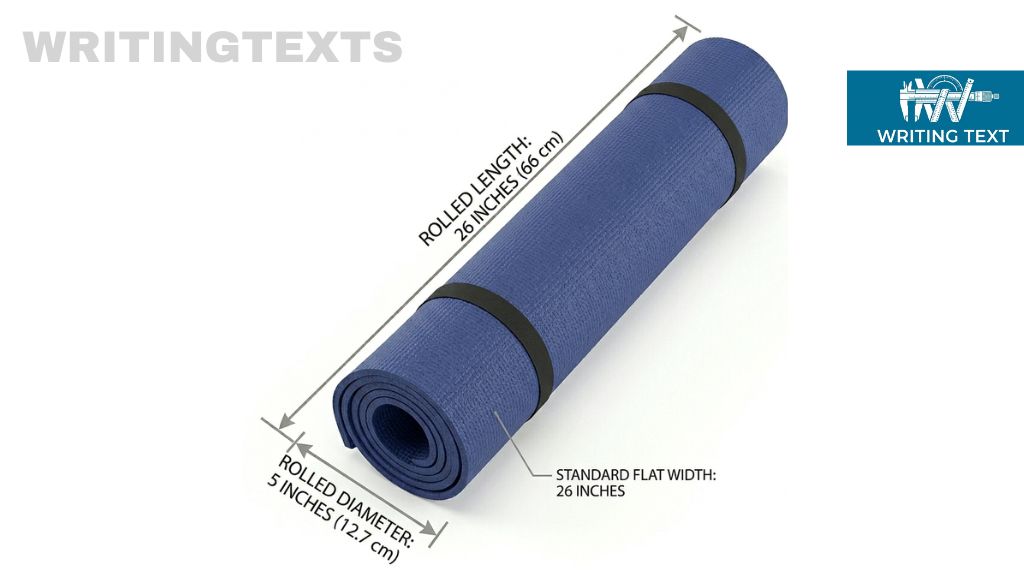
Most yoga practitioners focus on mat length — usually around 68 inches — but the width is the underappreciated dimension. A standard yoga mat is typically 26 inches wide, which is just enough to keep both hands and both feet on the mat in poses like downward dog or warrior two without your hands slipping off the edges.
That 26-inch width also matters before you unroll the mat. Most gym cubbies, locker storage slots, and yoga studio wall racks are designed around this width. If you’re buying a mat for a small home practice space, know that when it’s laid flat, it will take up 26 inches of floor width — which is just over two feet. In a narrow hallway or tight bedroom corner, that matters.
9. Two Rulers End-to-End, Plus Two Fingers
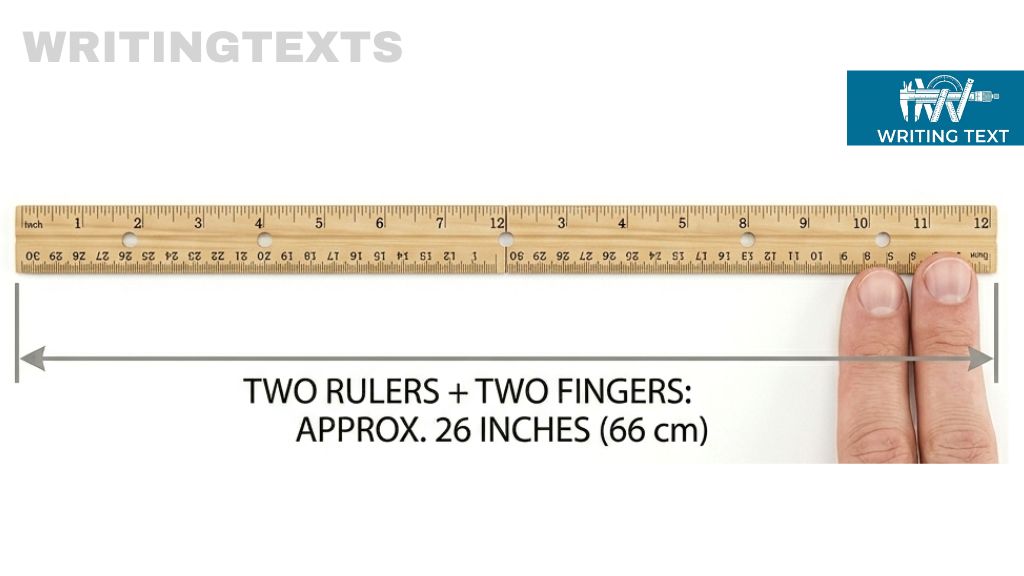
This is the most universal visual reference on this list. Two standard 12-inch rulers placed end to end give you 24 inches. Now add roughly the width of two adult fingers — about 2 inches total — and you’re at 26 inches.
This method isn’t precise enough for construction, but it’s genuinely useful in a pinch: classrooms, workshops, craft tables, or any moment when you’re trying to eyeball a dimension without a tape measure. The two-ruler-plus-two-fingers approach gives most adults a quick, surprisingly reliable mental check for anything close to this measurement.
10. Penny-Farthing Bicycle

The rear wheel of a classic penny-farthing — the Victorian-era high-wheel bicycle — measured approximately 26 inches in diameter. The front wheel was enormous, sometimes 50 to 60 inches across, which gave the rider speed proportional to leg length. The rear wheel needed to be much smaller for balance and weight, but still large enough to roll smoothly on cobblestone roads. 26 inches was the design solution.
This one isn’t a shopping reference — it’s a scale anchor. If you’ve ever seen a penny-farthing in a museum and struggled to picture its proportions, the rear wheel sitting at just over two feet is the grounding detail. For educators, exhibit designers, or anyone building a historical replica, that rear wheel diameter is documented and specific.
11. Newborn Giraffe Legs
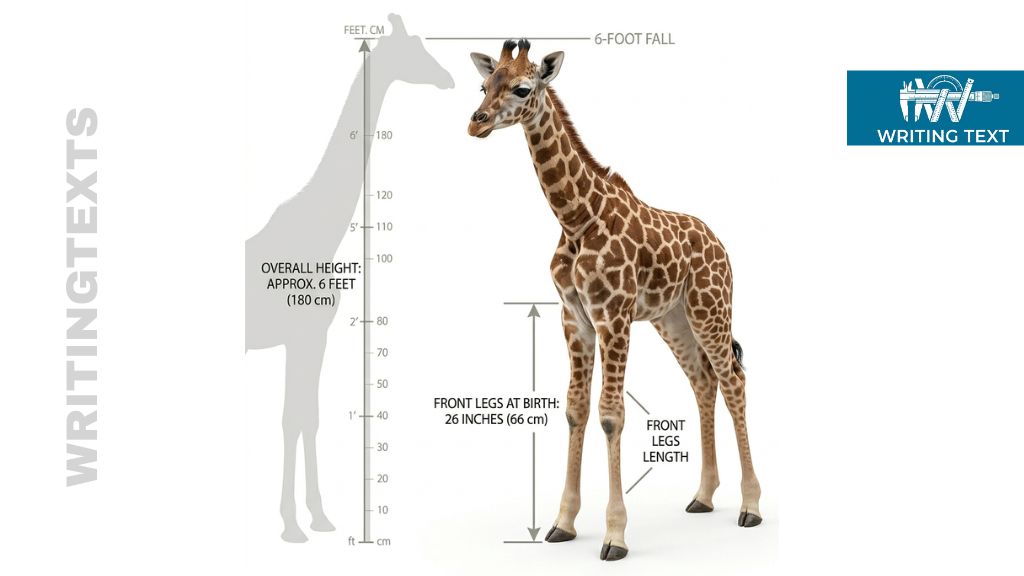
A new born giraffe’s front legs are approximately 26 inches long at birth. The reason is survival. Giraffes drop from a standing mother — a fall of nearly six feet — and need to stand and run within 30 minutes of birth to escape predators. Legs built to 26 inches provide the reach and leverage to push the body upright almost immediately.
This is the most memorable reference on the list for a reason: it’s vivid and specific. If you’re a children’s educator or a wildlife documentary viewer trying to picture how large a baby giraffe is, those front legs are just over two feet — roughly the distance from a kitchen countertop surface to the floor level of an open base cabinet drawer.
12. Medium Pizza Box
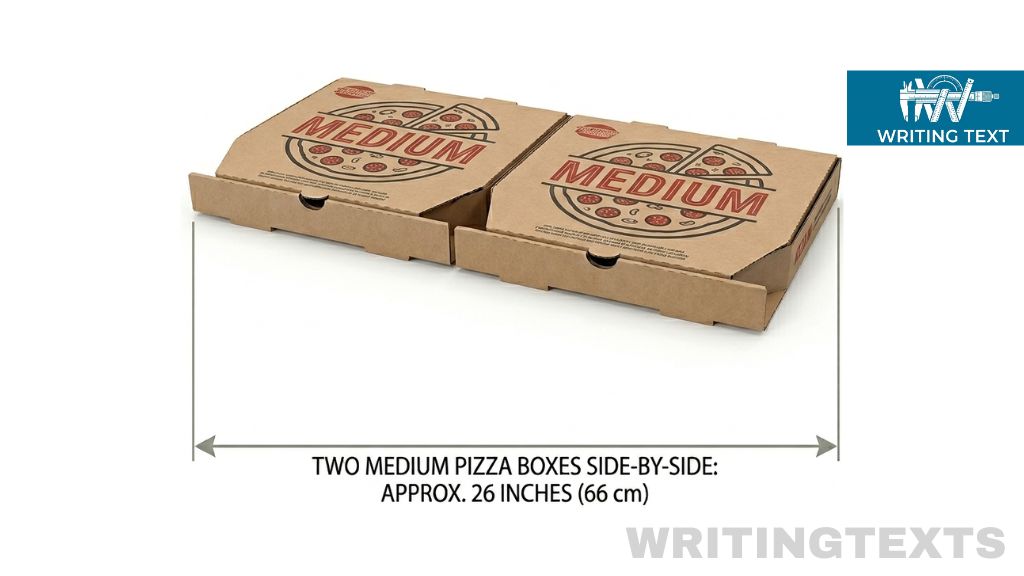
A single medium pizza from major chains is 12 inches in diameter. Place two medium pizzas side by side in their boxes, and the combined width of those two boxes is roughly 26 inches. The boxes are sized with a small clearance margin around the pizza — about an inch on each side — which is why two 12-inch pizzas add up to just over 24 inches of pizza plus the box edges.
This is one of those visual tricks that actually sticks. The next time you’re estimating whether a refrigerator shelf can hold leftovers, or whether two large boxes will fit side-by-side in your trunk, the two-medium-pizza-box image gives you an instant read on 26 inches without pulling out a measuring tape.
Quick Estimation Without a Tape Measure
When you need a fast visual check:
- From elbow to fingertip on most adults is 17–19 inches. Add the width of your full open hand (about 4 inches) to the longer end and you’re close to 26 inches.
- Two standard-size envelopes (letter size, 9.5 × 4.125 inches) laid long-side to long-side cover just under 19 inches. Add a standard sheet of paper (11 inches) to reach about 26 inches combined.
- The two-ruler-plus-two-fingers method from earlier works reliably as a classroom or workshop check.
None of these are construction-grade. But for confirming furniture placement, eyeballing clearance, or deciding if something will fit in a car trunk, they get you close enough to act with confidence.
FAQ’s About 26 Inches
How tall is 26 inches in feet?
26 inches equals 2 feet and 2 inches, or 2.17 feet. It’s just over two feet — not quite waist-high on most adults, but taller than a standard countertop drawer is wide.
How big is 26 inches compared to a person?
For an average adult (around 5’6″ to 5’10”), 26 inches reaches roughly from the floor to just above the knee. It’s also close to shoulder width for a medium-build adult — which is partly why yoga mats are designed to that width.
How long is 26 inches for hair?
Hair measured at 26 inches would fall past the waist for most people, usually reaching the hip or upper tailbone area. It’s considered quite long — roughly the length associated with waist-length to hip-length hair depending on the person’s height.
How big is a 26-inch bike wheel?
A 26-inch bike wheel refers to the diameter — the distance across the center of the wheel. This was the standard mountain bike wheel size for decades and is still common on comfort bikes and cruisers. The actual tire adds an inch or two to the total diameter once mounted.
26 inches to cm — what’s the quick conversion?
Multiply by 2.54: 26 × 2.54 = 66.04 cm. Just under two-thirds of a meter.
Three Images to Keep
If you walk away from this article with three mental pictures, make them these:
A mini baby crib sitting beside an adult bed, its 26-inch interior just wide enough for a sleeping infant. A kitchen counter with its 26-inch depth from wall to edge, the surface that holds everything you cook on. And two medium pizza boxes side by side, their combined width landing right at that two-foot-plus-two-inch mark.
Those three anchors cover home, kitchen, and everyday life. They’re not the flashiest examples on the list — but they’re the ones you’ll actually reach for the next time someone mentions 26 inches and you need to picture it fast.

I’m Karan Singh. I write about measurements, dimensions, and everyday size comparisons. I focus on making numbers easy to understand — no confusing terms, just clear and simple explanations. I use real-life examples so anyone can picture the size in their head. My goal is to help people find quick, accurate answers without any guesswork.